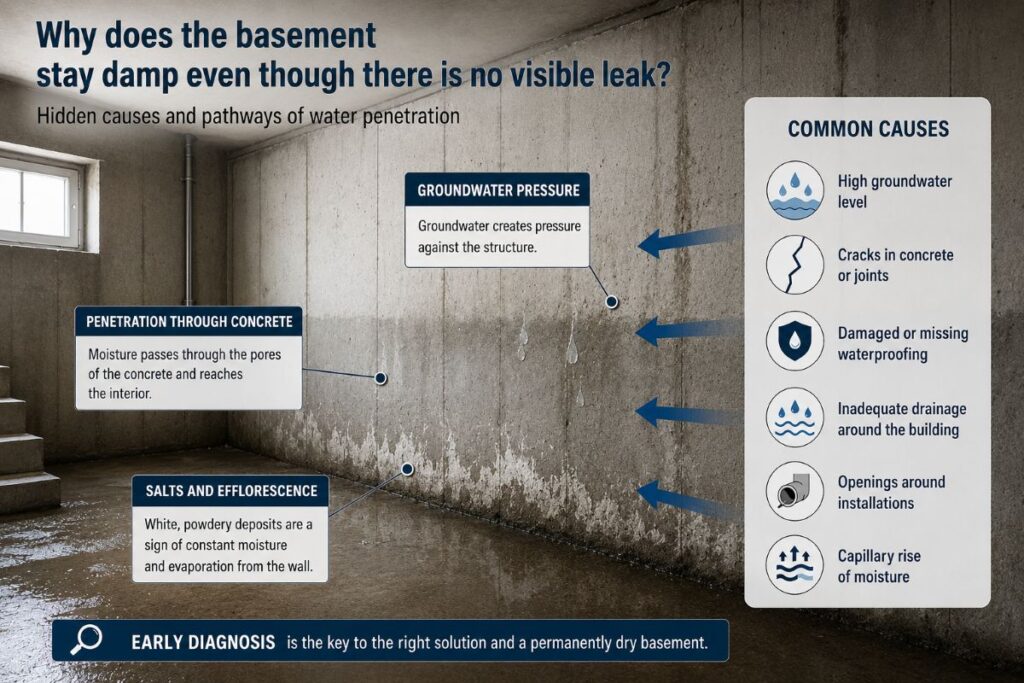
Why does the basement stay damp even though there is no visible leak?
If your basement stay damp, even though there is no visible dripping water anywhere, the problem is most often caused by moisture penetrating the structure rather than by a plumbing failure. In many buildings, water reaches the interior through concrete, masonry, construction joints, or microscopic cracks that remain invisible to the naked eye. Identifying the actual cause is therefore the first and most important step toward a long-lasting solution. Without a thorough diagnosis, there is a risk of repairing only the visible damage while leaving the source of the moisture unresolved.
Why moisture does not always indicate an active leak
When people hear the word “leak,” they usually imagine a burst pipe or water running down a wall. In underground spaces, however, the situation is often quite different. Moisture can penetrate so slowly that it never forms droplets, puddles, or permanently wet surfaces. Instead, the wall gradually darkens, plaster begins to deteriorate, and musty odors become increasingly noticeable.
The underground parts of a building remain in constant contact with the surrounding soil and the moisture it contains. When the exterior waterproofing system loses its protective properties or permeable areas develop within the structure, water begins to migrate inward. The process is usually slow but continuous, making it difficult to detect the problem at an early stage.
How water reaches the interior of the structure
Concrete is often considered a completely waterproof material, but this is not entirely true. Even high-quality concrete has a capillary structure made up of microscopic pores. Under normal conditions, these pores do not create problems. However, when exposed to water continuously, they can gradually allow moisture to penetrate the structure.
The most common pathways for water intrusion are:
- Micropores in the concrete.
- Construction and working joints.
- Fine cracks invisible to the naked eye.
- Openings around utility penetrations.
- Damaged exterior waterproofing.
- Areas exposed to increased hydrostatic pressure.
What is capillary water penetration?
One of the most common reasons for a persistently damp basement is capillary moisture movement. The soil surrounding a building contains varying amounts of water depending on the season, rainfall, and groundwater levels. When a building material has a capillary structure, moisture gradually travels upward or inward through the structure.
This process does not happen suddenly. It may take months or even years before the first visible signs appear. That is why many property owners believe the problem developed overnight, even though moisture has actually been penetrating the structure for a long time.
Why a concrete wall appears wet without dripping water
Many people expect a leak to be clearly visible. In reality, moisture can spread evenly across the entire surface of a concrete wall. Instead of running water, damp areas of varying intensity develop, gradually changing the appearance of the surface and damaging its finish.
As water passes through the pores of the concrete, it reaches the interior surface and begins to evaporate. During this process, dissolved mineral salts remain behind. These characteristic white deposits are often the first reliable indication that the moisture is coming from outside rather than forming as condensation.
Which factors increase the risk of moisture problems
Not every building is exposed to the same level of water pressure. Some sites retain significantly more water, while others benefit from natural slopes that improve drainage. The age of the building, the construction materials used, and the quality of workmanship also influence the likelihood of moisture-related problems.
The most common reasons why a basement stay damp include:
- High groundwater levels.
- Lack of an effective drainage system.
- Old or damaged waterproofing systems.
- Poorly executed structural connections.
- Frequent and prolonged rainfall.
- Inadequate stormwater drainage.
How to distinguish water penetration from condensation
Condensation forms when warm, humid air comes into contact with a cold surface. It is a physical process mainly influenced by temperature, indoor humidity, and ventilation. Water penetration through the structure has a completely different cause because the moisture originates outside and travels through the building materials.
Several common signs can help distinguish between the two:
- Damp patches remain throughout the year.
- White salt crystals appear on the walls.
- Plaster begins to peel or deteriorate.
- Moisture becomes more noticeable after prolonged rainfall.
- Musty odors remain despite regular ventilation.
- The problem mainly affects underground spaces.
What are the first signs that moisture is already damaging the structure?
At first, the changes usually appear insignificant. The wall becomes slightly darker, and small damp patches begin to develop in isolated areas. As moisture penetrates deeper into the structure, paint starts to peel, plaster cracks, and fine mineral deposits become visible.
If the process continues over an extended period, the affected materials gradually lose part of their performance. Some finishes begin to deteriorate, while the indoor environment becomes more favorable for mold and microbial growth. For this reason, identifying the problem early is far more effective than repairing extensive damage later.
How groundwater affects basement moisture
Groundwater is one of the most significant factors contributing to persistent basement dampness. Its level does not remain constant throughout the year. After prolonged rainfall or snowmelt, hydrostatic pressure against the foundation can increase considerably, especially in buildings without an effective drainage system.
As the pressure on the structure rises, water naturally seeks the path of least resistance. Existing cracks, construction joints, or areas with higher porosity often become entry points. This is why many property owners notice increased dampness during certain seasons of the year.
Why cracks in concrete should never be ignored
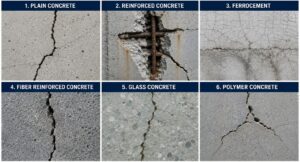
Not every crack represents a structural risk, but every crack has the potential to become a pathway for water intrusion. Some cracks develop during the natural shrinkage of concrete after placement, while others result from temperature changes, structural loads, or the natural aging of the building.
Particular attention should be given to:
- Cracks that remain consistently damp.
- Openings with visible salt deposits.
- Repeated moisture in the same location.
- Cracks extending into construction joints.
- Existing cracks that continue to widen over time.
- Water infiltration after heavy rainfall.
How professional diagnosis prevents unnecessary repairs
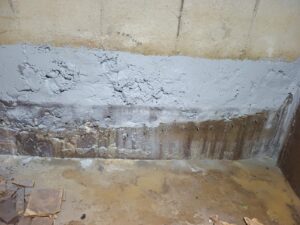
One of the most common mistakes in a damp basement is repainting the walls or replacing damaged plaster immediately. While these measures improve the appearance of the room, they do not stop water from entering the structure. As a result, the stains usually return because the underlying cause has not been addressed.
The purpose of professional diagnosis is to determine the actual path of water infiltration. Specialists assess the condition of the structure, identify areas with elevated moisture levels, and analyze the factors contributing to water penetration. Only after this assessment can the most appropriate repair method be selected.
What methods are used to identify the problem?
Modern moisture diagnosis involves much more than a visual inspection. When necessary, specialized measuring equipment is used to evaluate moisture distribution within the structure and identify areas exposed to the greatest water pressure. This significantly reduces the risk of an incorrect diagnosis.
During the inspection, specialists typically evaluate:
- The condition of the concrete walls.
- The basement floor slab.
- Construction and expansion joints.
- Areas around service penetrations.
- The exterior waterproofing system.
- The drainage system surrounding the building.
What happens after the cause has been identified?
Once the source of the moisture has been identified, the appropriate repair method can be selected. The solution depends on whether water is entering through cracks, construction joints, the porous structure of the concrete, or a compromised waterproofing system. There is no universal repair method because every building has unique structural characteristics.
In the next part, we will take a closer look at when resin injection into concrete is used, how this repair technology works, when it is the right solution, and the most common mistakes made when repairing persistently damp basements.
You have just read Part 1 of the article “Why does the basement stay damp?”
Follow us on Facebook for more useful information and professional advice.