Concrete crack repair with resins, how is it done?

Concrete crack repair with resins, how is it done 1 Concrete crack repair with resins, how is it done 2
Concrete crack repair with resins, how is it done 3

Concrete crack repair with resins, how is it done?

When, how, and why is concrete crack repair with resins done?

Concrete is a strong material, but over time even it begins to show signs of fatigue. Fine lines, splits, or deeper cracks appear, which often seem harmless, but can actually lead to serious problems. That is exactly why crack repair must be done on time and with the right technology. One of the most reliable methods today is the use of special crack resins, which penetrate deep inside and restore the strength of the structure.

What does concrete crack repair involve?

With this method, liquid resin is injected directly into the crack under pressure. After hardening, the material fills the cavities, stops water penetration, and stabilizes the concrete. This solution is used both for small cracks and for more serious structural defects.

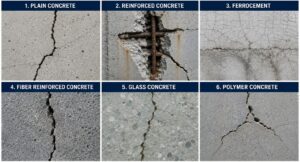
The repair can be applied to different types of concrete:

  • ordinary concrete for floors, slabs, and foundations
  • reinforced concrete for columns, beams, and load-bearing elements
  • fiber-reinforced concrete, ferrocement, and polymer concrete for industrial and specialized structures

How does concrete get damaged over time?

The most common causes are moisture, thermal expansion, loads, and reinforcement corrosion. When water enters the crack, it freezes during winter and expands the opening even more. This gradually weakens the structure.

In reinforced concrete, the risk is even greater because the moisture reaches the reinforcement and corrosion begins. That is when crack repair becomes not just a cosmetic measure, but an important part of building maintenance.

Some types of concrete also react and corrode differently:

  • ferrocement forms finer but numerous cracks
  • glass concrete is more sensitive to thermal stress
  • polymer concrete has high chemical resistance, but requires specific resins

Concrete injection technology

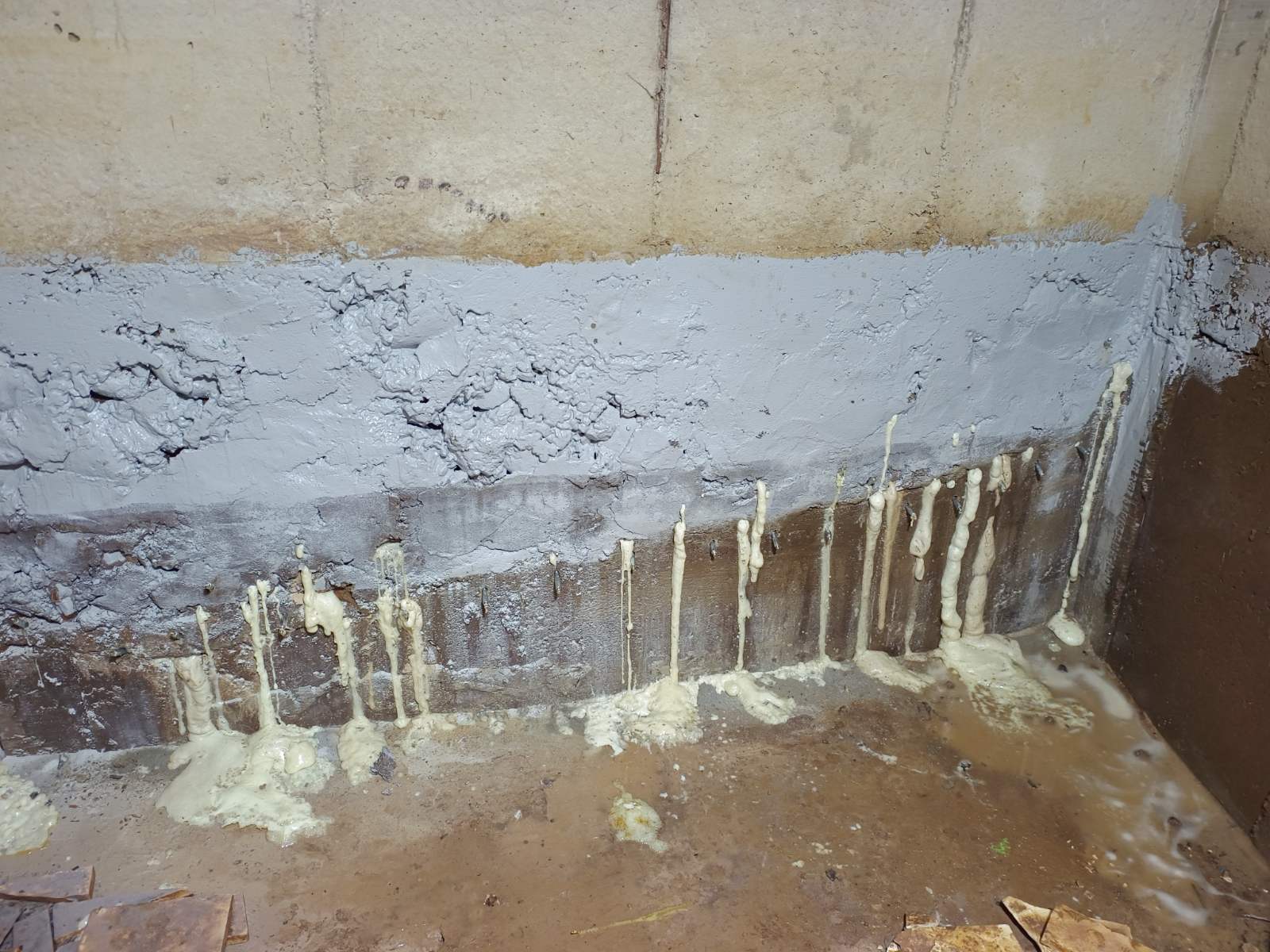
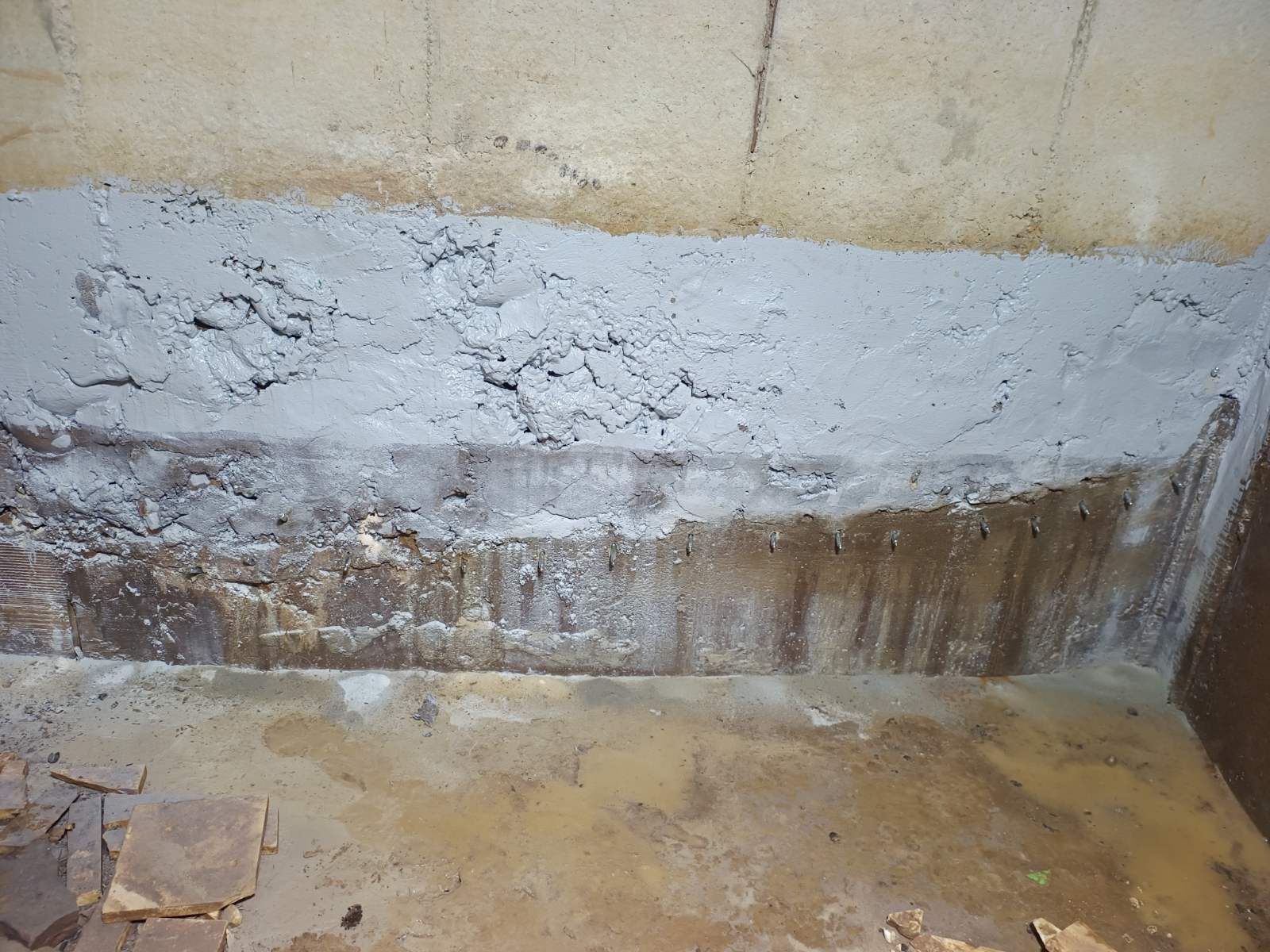
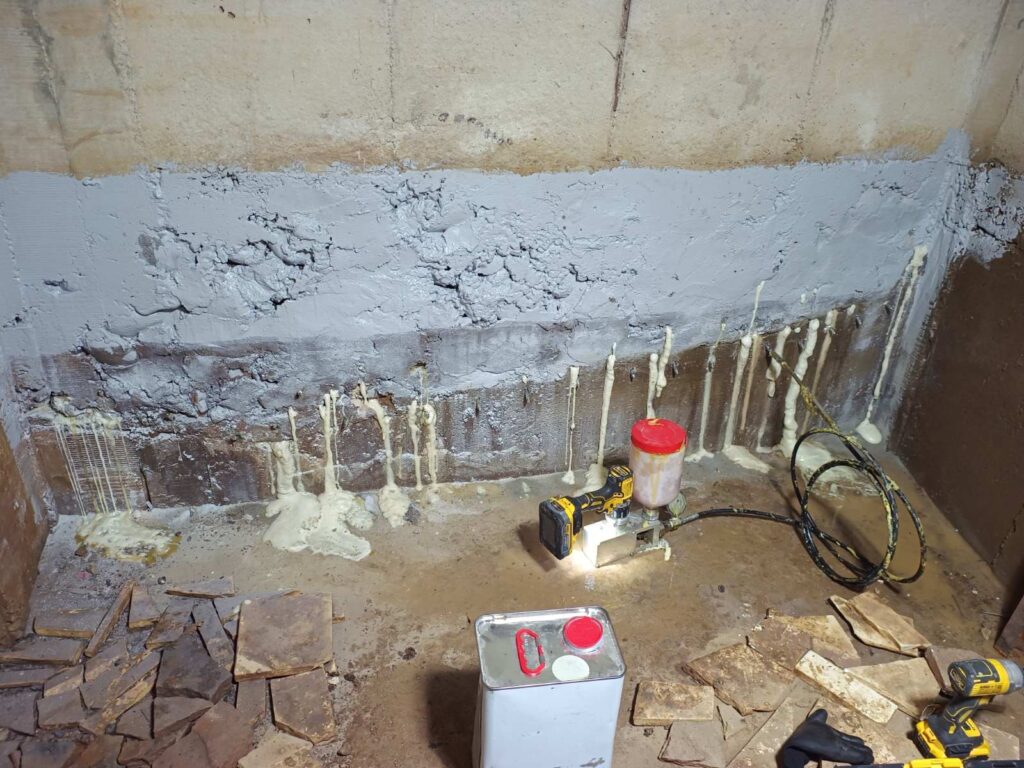
Injection technology is a process in which the resin is injected under pressure directly into the crack. First, the area is thoroughly cleaned of dust, grease, and loose particles. Then injection packers are installed over the crack, through which the material penetrates deep inside.

The injection itself begins gradually, as the resin fills all cavities and capillaries. After hardening, the structure regains its density and durability.

Usually, the process of resin injection into concrete includes:

  • cleaning and preparation of the crack
  • installation of packers and sealing of the surface
  • injection of the resin under pressure

What machines are used for resin injection into concrete?

Special injection pumps are used, which can be manual, electric, or pneumatic. The choice depends on the width of the crack, the type of resin, and the depth of the problem.

For smaller repairs, manual pumps are often used. For large structures and industrial facilities, electric systems with controlled pressure are used. They allow the resin to reach even very narrow microcracks.

The equipment most commonly includes:

  • injection pump
  • packers for resin delivery
  • hoses and pressure gauges for pressure control

What resins are used for different cracks?

Different defects require different types of materials. Not every resin works equally well in every situation. That is why the choice is key to a successful repair.

Epoxy crack resins are mainly used for dry and structural cracks. They create a very strong bond and restore the load-bearing capacity of the concrete.

Polyurethane resins are suitable for active leaks and the presence of water. They react with moisture and form an elastic structure that stops water penetration.

Most commonly used resins for concrete injection:

  • epoxy resins for structural repairs
  • polyurethane resins for leaks and moisture
  • acrylate gels for fine microcracks

When are elastic resins used and when are rigid resins used?

Rigid resins are used when the structure must restore its strength. This is typical for columns, walls, slabs, and load-bearing elements. They literally “glue” the concrete from the inside.

Elastic resins are suitable for dynamic cracks where there is movement or vibration. For example, in underground facilities, tanks, tunnels, and basements. There, the material must absorb deformations without cracking again.

When choosing, the following is considered:

  • whether the crack is active or inactive
  • whether there is water present
  • whether the defect is structural or surface-level

Why is concrete injection technology so effective?

The main advantage of Injection technology is that the repair is carried out from the inside. Not only the surface is treated, but the actual problem is reached. This extends the life of the structure and prevents future damage.

The method is preferred both for residential buildings and for bridges, parking structures, industrial halls, and underground facilities. In addition, the repair can often be done without demolishing the structure.

Among the biggest advantages are:

  • fast execution
  • high durability
  • minimal intervention to the structure

Concrete crack repair with resins, conclusion

Concrete crack repair with resins is a modern and reliable solution that allows fast restoration of the structure without heavy destructive work. The correct choice of crack resins and the quality execution of Injection technology are crucial for a long-lasting result.

Whether it is ordinary concrete, reinforced concrete, or specialized types of structures, timely crack repair helps avoid much more serious and expensive problems in the future.

If you need this service, we at Donchev Construction will carry out an inspection and provide you with a solution to the problem!

Concrete crack repair with resins, how is it done 2
Blog
Site Admin Y

Concrete crack repair with resins, how is it done?

Concrete is a strong material, but over time even it begins to show signs of fatigue. Fine lines, splits, or deeper cracks appear, which often seem harmless, but can actually lead to serious problems. That is exactly why crack repair must be done on time and with the right technology. One of the most reliable methods today is the use of special crack resins, which penetrate deep inside and restore the strength of the structure.

Прочетете повече »
Types of concrete in construction
Blog
Site Admin Y

Types off concrete in buildings

If you are interested in construction, you probably know that there are different types of concrete, and it is the main material that keeps buildings and structures upright. But few people know that behind the word “concrete” there are dozens of different types, each with its own specific qualities and applications. From the ordinary concrete we see in sidewalks to the high-tech polymer concrete used in the chemical industry. There are several main varieties that are particularly popular in modern construction.

Прочетете повече »
Concrete of the 21st century
Blog
Site Admin Y

Concrete of the 21st century

For more than a century, concrete has been the backbone of modern civilization. From bridges and highways to skyscrapers and dams, almost every major infrastructure system depends on it. For a long time, however, it was perceived as something purely functional: strong, inexpensive, but lacking innovation. Today, that perception is rapidly changing. With the development of materials science, nanotechnology, and digital construction methods, concrete is entering a new era.

Прочетете повече »

ASK FOR VISIT