БЛОГ

Concrete strength, how is it achieved 1
Blog
Site Admin Y

Concrete strength, how is it achieved?

Concrete is one of the most widely used construction materials in the world. The reason is simple. It combines high load-bearing capacity, excellent durability, and a long service life. When discussing concrete strength, the term usually refers to its ability to withstand compressive forces without failure. This property determines whether a structure will remain safe and reliable for decades. Strength does not depend solely on the amount of cement used. The water-to-cement ratio, the quality of the aggregates, proper mixing, effective compaction, and correct curing all play a crucial role. Even concrete made with an excellent mix design can develop lower strength if it is not kept sufficiently moist during the first few days after placement. Cement hydration occurs gradually, creating the internal structure that provides the required mechanical resistance. International construction standards determine concrete strength through laboratory testing of sample specimens, with the most common evaluation performed after 28 days.

Read more »
Cracks in concrete, what causes them R1
Blog
Site Admin Y

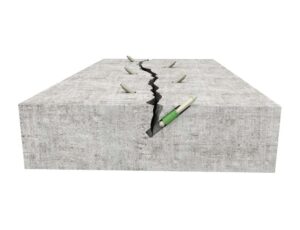
Cracks in concrete, what causes them

Cracks in concrete are among the most common problems in the construction and operation of various structures. Whether it is a floor slab, foundation, wall, or load-bearing element, the appearance of cracks can be a sign of technological errors, improper loading, or natural material aging processes. In many cases, small cracks do not pose an immediate risk to the strength of the structure. However, when they begin to expand or allow moisture penetration, the consequences can lead to serious damage and costly repairs. That is why it is important to understand the causes of their appearance in time and take appropriate corrective measures.

Read more »
Concrete crack repair with resins, how is it done 2
Blog
Site Admin Y

Concrete crack repair with resins, how is it done?

Concrete is a strong material, but over time even it begins to show signs of fatigue. Fine lines, splits, or deeper cracks appear, which often seem harmless, but can actually lead to serious problems. That is exactly why crack repair must be done on time and with the right technology. One of the most reliable methods today is the use of special crack resins, which penetrate deep inside and restore the strength of the structure.

Read more »
Intelligent concrete with sensors, the future is here
Blog
Site Admin Y

Intelligent concrete with sensors, the future is here

Intelligent concrete with sensors, when technologies change the rules globally. Probably we are all used to thinking of concrete as something hard, dead and insensitive. But imagine a material that itself feels when a crack appears. As well as when the tension becomes too great or where exactly in its thickness something is wrong.

Read more »
Types of concrete in construction
Blog
Site Admin Y

Types off concrete in buildings

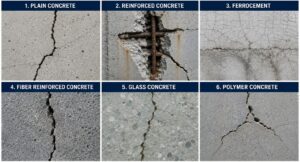
If you are interested in construction, you probably know that there are different types of concrete, and it is the main material that keeps buildings and structures upright. But few people know that behind the word “concrete” there are dozens of different types, each with its own specific qualities and applications. From the ordinary concrete we see in sidewalks to the high-tech polymer concrete used in the chemical industry. There are several main varieties that are particularly popular in modern construction.

Read more »
Concrete of the 21st century
Blog
Site Admin Y

Concrete of the 21st century

For more than a century, concrete has been the backbone of modern civilization. From bridges and highways to skyscrapers and dams, almost every major infrastructure system depends on it. For a long time, however, it was perceived as something purely functional: strong, inexpensive, but lacking innovation. Today, that perception is rapidly changing. With the development of materials science, nanotechnology, and digital construction methods, concrete is entering a new era.

Read more »
Waterproof concrete, what we need to know
Blog
Site Admin Y

Waterproof concrete, what we need to know

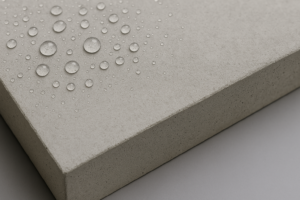
In construction, moisture is a constant factor that cannot be ignored. Rain, groundwater, condensation, and temperature differences affect structures on a daily basis. This is exactly why the topic of waterproof concrete is becoming increasingly relevant. It is not just a trendy term, but a practical solution for areas with high humidity, where standard concrete begins to show weaknesses after only a few years.

Read more »
How cold affects concrete and how to protect it effectively 01
Blog
Site Admin Y

How cold affects concrete

How cold affects concrete when temperatures fall below zero. A process that often remains unnoticed at the beginning by the human eye. The water contained in the mix or in already hardened concrete freezes and expands. This internal stress disrupts the structure and weakens the material. Fresh concrete is particularly vulnerable, as it has not yet reached the required strength. Over time, these micro-damages accumulate and lead to visible defects.

Read more »
Resins for concrete injection - R
Blog
Site Admin Y

Resins for concrete injection

The resins used in concrete injection come in several main types, each created for a different situation. The most common ones are polyurethane, epoxy and acrylate resins. They differ in reaction speed, durability after curing and the way they interact with moisture

Read more »
OG
Blog
Site Admin Y

Concrete injection

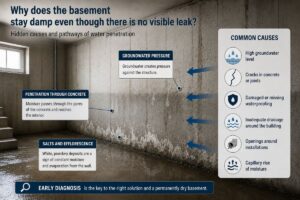
Moisture plays a vital role in concrete, which is a fundamental material in modern construction, used in buildings, bridges, roads, and infrastructure. Despite its apparent strength, concrete is sensitive to moisture—both during curing and throughout its service life. Understanding how moisture affects concrete is essential for achieving long-lasting and safe structures.

Read more »
Blog
Site Admin Y

Moisture and water protection of concrete foundations

Moisture plays a vital role in concrete, which is a fundamental material in modern construction, used in buildings, bridges, roads, and infrastructure. Despite its apparent strength, concrete is sensitive to moisture—both during curing and throughout its service life. Understanding how moisture affects concrete is essential for achieving long-lasting and safe structures.

Read more »
Blog
Site Admin Y

How moisture affects concrete

Moisture plays a vital role in concrete, which is a fundamental material in modern construction, used in buildings, bridges, roads, and infrastructure. Despite its apparent strength, concrete is sensitive to moisture—both during curing and throughout its service life. Understanding how moisture affects concrete is essential for achieving long-lasting and safe structures.

Read more »

ASK FOR VISIT