
How to Deal with Yard Drainage

Отводняване на двора

How to Deal with Yard Drainage: Practical and Creative Ideas for a Dry and Pleasant Space

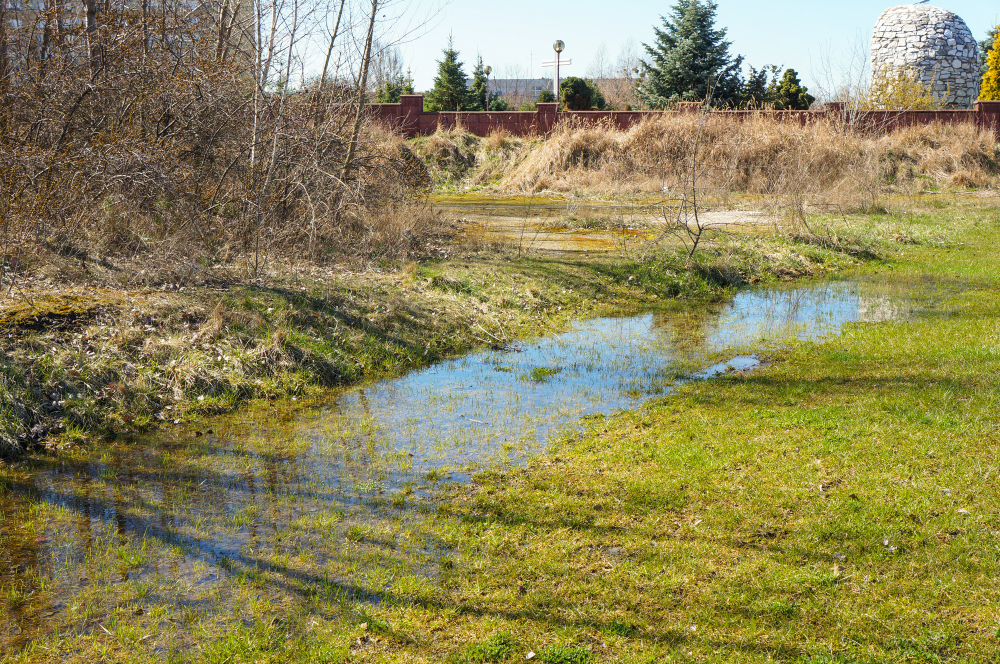
Yard drainage is a task that often goes unnoticed until we face the consequences of stagnant water—muddy spots, damaged plants, or even risks to buildings. The problem may seem difficult to solve, but with the right approach, not only will you tackle it, but you will also make your yard more beautiful and functional. Here’s a detailed look at how to approach this important aspect of outdoor maintenance.

Assess the Problem – Observation and Analysis 

Start with a thorough inspection of your yard. Pay attention to the following key aspects:

  • Where does water collect after rain?

  • Are there certain low-lying zones acting as “water traps”?

  • What type of soil is in your yard—clay, sandy, or mixed?

This initial assessment will give you a clear idea of which methods and tools will be most suitable.

Drainage Systems – From Classic to Modern 

Choosing the right system depends on the scale of the problem and your personal preferences. Here are some of the most popular solutions:

  • Classic Drainage Channels: Easy to build and ideal for small yards. Shallow channels direct water to safe zones, such as a garden or a general water collection area.

  • French Drain: An elegant solution combining functionality and discretion. Underground pipes carry water away from the surface, while gravel allows easy permeation.

  • Rain Gardens: Turn the problem into beauty by planting moisture-loving plants in the low-lying areas. Irises, hydrangeas, and cattails will not only absorb the water but also add a stylish touch to your yard.

  • Rainwater Harvesting: If you want to care for nature, install rainwater collection tanks. This is eco-friendly and useful—you can use the collected water for irrigation or cleaning.

Changing Soil Structure

If you find that the soil is too clayey and does not allow water to drain easily, it’s time to improve it. Add sand, compost, or gravel to increase the drainage capacity. Aeration (loosening the soil) is also a great method to promote drainage.

Terrain Adjustment 

Unevenness in the yard may be a major factor in water retention. Consider the following changes:

  • Slightly slope the terrain so that water drains away from the house and important buildings.

  • Use terracing—this is particularly effective for yards with steep slopes.

  • Add gravel or mulch to problem areas to facilitate water movement.

Constant Care and Maintenance 

Even the best drainage system will lose efficiency if not properly maintained. Regularly check and clean channels, pipes, and tanks from leaves and other debris. During autumn or after heavy rainfalls, dedicate extra time to inspection.

Creative Approaches for an Eco-Friendly Solution

You can transform your yard into a model of sustainability. Use rain gardens or integrate water collection systems as part of the landscape design. In this way, you will not only solve the drainage problem but also care for the environment.

Conclusion: A Yard with Potential

Effective drainage can transform your yard into a functional, beautiful, and pleasant space. Not only will you avoid annoying muddy spots, but you’ll also create an environment that is healthier for plants and safer for your home. Take the time and effort to turn your yard into a true gem.

Concrete crack repair with resins, how is it done 2
Blog
Site Admin Y

Concrete crack repair with resins, how is it done?

Concrete is a strong material, but over time even it begins to show signs of fatigue. Fine lines, splits, or deeper cracks appear, which often seem harmless, but can actually lead to serious problems. That is exactly why crack repair must be done on time and with the right technology. One of the most reliable methods today is the use of special crack resins, which penetrate deep inside and restore the strength of the structure.

Read more »
Intelligent concrete with sensors, the future is here
Blog
Site Admin Y

Intelligent concrete with sensors, the future is here

Intelligent concrete with sensors, when technologies change the rules globally. Probably we are all used to thinking of concrete as something hard, dead and insensitive. But imagine a material that itself feels when a crack appears. As well as when the tension becomes too great or where exactly in its thickness something is wrong.

Read more »
Types of concrete in construction
Blog
Site Admin Y

Types off concrete in buildings

If you are interested in construction, you probably know that there are different types of concrete, and it is the main material that keeps buildings and structures upright. But few people know that behind the word “concrete” there are dozens of different types, each with its own specific qualities and applications. From the ordinary concrete we see in sidewalks to the high-tech polymer concrete used in the chemical industry. There are several main varieties that are particularly popular in modern construction.

Read more »

ASK FOR VISIT