
How to Choose Insulation for a Concrete Foundation

How to Choose Insulation for a Concrete Foundation

How to Choose Insulation for a Concrete Foundation

Let’s have a little chat about something that might sound dry and boring—insulation for a concrete foundation. But trust me, this is one of the most important steps for any home because a well-insulated foundation will save you a lot of headaches and money on heating during the winter. Here are a few ideas and thoughts to help you make the right choice, as if we were chatting over coffee.

Why Is Foundation Insulation Even Important?

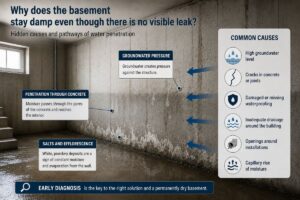
Think of your foundation as the “skeleton” of your home—if it isn’t properly protected, problems like moisture, mold, or even structural damage can develop over time. Insulation is not just a small detail; it’s a critical investment in the comfort and longevity of your home. Imagine assembling a puzzle: if one piece doesn’t fit properly, the whole picture can fall apart.

What Materials Are Available and What Do They Offer?

There are plenty of options on the market, so choosing the right insulation depends mainly on your needs, the climate, and how much you’re willing to spend. Here are some of the most common choices, explained in simple terms:

  • EPS (Expanded Polystyrene Foam): This is a lightweight and affordable option that offers good thermal insulation. It’s ideal if you’re looking for a quick and easy solution. Think of it as a fluffy cushion that supports your foundation’s stability.

  • XPS (Extruded Polystyrene Foam): This material is a bit denser and more moisture-resistant. If you live in an area with more rain or humidity, XPS might be a better choice since it handles pressure and moisture more effectively.

  • Polyurethane Foams: This refers to a material that is applied in liquid form and then expands to fill every little crevice. It’s an excellent option for those who want maximum insulation with minimal heat loss.

  • Mineral Wool: In addition to providing solid thermal insulation, mineral wool is also fire-resistant. It can be used both indoors and outdoors, offering extra protection for your foundation.

What Should You Consider When Choosing Insulation for a Concrete Foundation?

Before you purchase any material, it’s a good idea to ask yourself a few questions—just as if you were talking to a friend:

  • What Is the Climate Like in Your Area? If you’re in a wet or snowy region, moisture protection will be of prime importance.

  • What Are the Thermal Insulation Properties of the Material? Check the values—the lower they are, the better the material will retain the heat in your home.

  • What’s Your Budget? Sometimes it’s worth spending a little more on quality insulation, as it will eventually pay off with lower heating and maintenance bills.

  • Will You Install It Yourself or Hire a Professional? If you plan to do the installation yourself, choose materials that are easier to work with.

  • Are There Eco-Friendly Options? If you care about nature and want to do your part, look for materials with a low environmental footprint or ones that can be recycled.

A Few Practical Tips from Us

  • Do Your Research: Read reviews, talk to specialists, and if possible, visit stores. This way, you’ll get a real feel for the available options.

  • Determine Your Home’s Needs: Every foundation is unique, and so are the conditions surrounding it. Make sure to insulate the areas where it’s truly necessary.

  • Don’t Forget About Quality: Certifications and warranties are important—they’re like a seal of quality that tells you the material will stand the test of time.

  • Consider the Future: Investing in good insulation isn’t just for today; it will protect your home tomorrow as well. Think of it as a long-term deal where everyone wins.

Conclusion on Choosing Insulation for a Concrete Foundation

In the end, choosing the right insulation for your concrete foundation is a crucial step that can make the difference between a warm, comfortable home and one that is constantly battling moisture and energy loss. With the right material and a well-planned installation process, you’ll enjoy lower energy bills, greater comfort, and peace of mind for many years to come.

Concrete strength, how is it achieved 1
Blog
Site Admin Y

Concrete strength, how is it achieved?

Concrete is one of the most widely used construction materials in the world. The reason is simple. It combines high load-bearing capacity, excellent durability, and a long service life. When discussing concrete strength, the term usually refers to its ability to withstand compressive forces without failure. This property determines whether a structure will remain safe and reliable for decades. Strength does not depend solely on the amount of cement used. The water-to-cement ratio, the quality of the aggregates, proper mixing, effective compaction, and correct curing all play a crucial role. Even concrete made with an excellent mix design can develop lower strength if it is not kept sufficiently moist during the first few days after placement. Cement hydration occurs gradually, creating the internal structure that provides the required mechanical resistance. International construction standards determine concrete strength through laboratory testing of sample specimens, with the most common evaluation performed after 28 days.

Read more »
Cracks in concrete, what causes them R1
Blog
Site Admin Y

Cracks in concrete, what causes them

Cracks in concrete are among the most common problems in the construction and operation of various structures. Whether it is a floor slab, foundation, wall, or load-bearing element, the appearance of cracks can be a sign of technological errors, improper loading, or natural material aging processes. In many cases, small cracks do not pose an immediate risk to the strength of the structure. However, when they begin to expand or allow moisture penetration, the consequences can lead to serious damage and costly repairs. That is why it is important to understand the causes of their appearance in time and take appropriate corrective measures.

Read more »
Concrete crack repair with resins, how is it done 2
Blog
Site Admin Y

Concrete crack repair with resins, how is it done?

Concrete is a strong material, but over time even it begins to show signs of fatigue. Fine lines, splits, or deeper cracks appear, which often seem harmless, but can actually lead to serious problems. That is exactly why crack repair must be done on time and with the right technology. One of the most reliable methods today is the use of special crack resins, which penetrate deep inside and restore the strength of the structure.

Read more »

ASK FOR VISIT