
Basement waterproofing

Basement waterproofing

Basement waterproofing

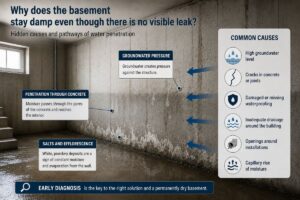
The basement is one of the most commonly overlooked areas of a home, yet proper waterproofing can work wonders. Moisture, condensation, and continuous exposure to water can lead to mold, corrosion, and other structural problems that not only compromise the integrity of the building but also create an unhealthy environment. Choosing the right waterproofing method is an investment in long-term protection and a comfortable space beneath your home.

Factors to consider

Type and condition of the basement

  • Old or new construction. Presence of moisture or existing issues with condensation.

Climate conditions

  • Frequency of rainfall and temperature fluctuations. The impact of local climate conditions on moisture levels.

Purpose of the insulation system

  • Protection against water infiltration and moisture buildup. Improving energy efficiency and reducing heating and cooling costs.

Types of waterproofing materials

Various types of waterproofing materials are available on the market, each with specific advantages depending on the needs of your basement:

  • Cement-based mixtures with additives – Provide durability and strength, ideal for older structures.

  • Polymer membranes – Flexible and easy to apply, ensuring strong protection against dynamic stress.

  • Liquid waterproofing – Forms a seamless and even layer that adapts to surface irregularities.

  • Crystalline waterproofing – Reacts with moisture, forming water-impermeable crystals that effectively seal problem areas.

Installation process

Surface preparation

  • Clean the basement of dust, dirt, and old sealants. Ensure a smooth and dry base for optimal adhesion of the new materials.

Application of the selected material

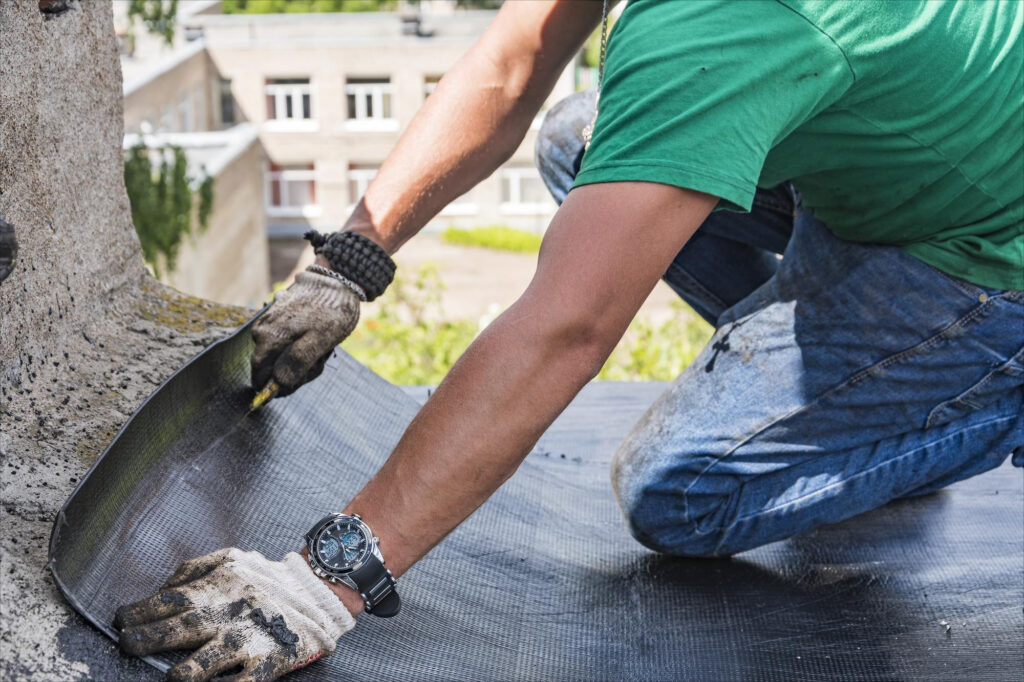
  • Apply the chosen waterproofing mixture evenly using professional equipment. Follow the recommended layering process and curing time according to the manufacturer’s specifications.

Final inspections and sealing

  • Perform a quality control check to ensure all areas are properly protected. Apply additional protective coatings if necessary for optimal durability.

Conclusion: tips for successful waterproofing

Choosing the right basement waterproofing can save you significant trouble and expenses in the future. Here are a few tips to help you make an informed decision:

  • Consult an expert: Seek professional advice to evaluate your basement’s condition and receive recommendations for the most suitable materials.

  • Choose high-quality materials: Invest in products with proven effectiveness and a warranty for long-term protection.

  • Don’t neglect regular inspections: Schedule periodic checks of your basement to detect potential issues early and maintain the system in excellent condition.

With properly selected waterproofing and professional installation, your basement can become a safe, dry, and energy-efficient space that contributes to the overall comfort and structural integrity of your home. Let investing in quality waterproofing be the first step toward a more secure future!

 
Waterproof concrete, what we need to know
Blog
LeAk_F1X3r2025

Concrete of the 21st century

In construction, moisture is a constant factor that cannot be ignored. Rain, groundwater, condensation, and temperature differences affect structures on a daily basis. This is exactly why the topic of waterproof concrete is becoming increasingly relevant. It is not just a trendy term, but a practical solution for areas with high humidity, where standard concrete begins to show weaknesses after only a few years.

Read more »
Waterproof concrete, what we need to know
Blog
Site Admin Y

Waterproof concrete, what we need to know

In construction, moisture is a constant factor that cannot be ignored. Rain, groundwater, condensation, and temperature differences affect structures on a daily basis. This is exactly why the topic of waterproof concrete is becoming increasingly relevant. It is not just a trendy term, but a practical solution for areas with high humidity, where standard concrete begins to show weaknesses after only a few years.

Read more »
How cold affects concrete and how to protect it effectively 01
Blog
Site Admin Y

How cold affects concrete

How cold affects concrete when temperatures fall below zero. A process that often remains unnoticed at the beginning by the human eye. The water contained in the mix or in already hardened concrete freezes and expands. This internal stress disrupts the structure and weakens the material.

Read more »

ASK FOR VISIT