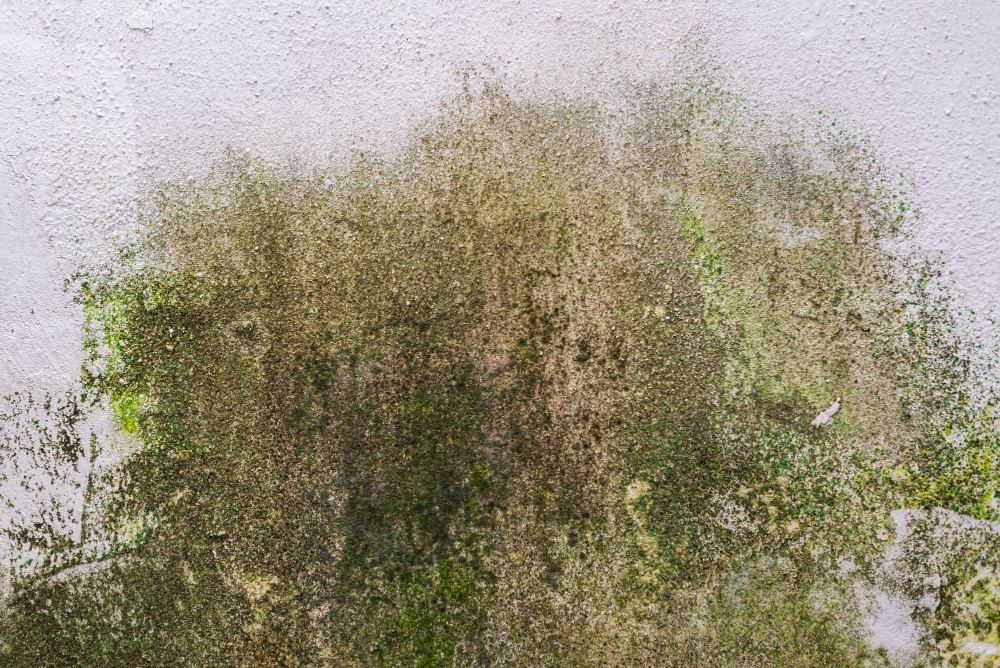

Mold at home, what to do?

Мухъл у дома, какво да правим Mold at home, what to do?

Mold at home, what should we do?

Mold at home can become a real nuisance—not just for aesthetics but for the health of all occupants. Its appearance signals problems with ventilation, moisture, or maintenance in the living space. Here, we will examine the main causes of mold and practical measures you can take to tackle it, as well as when it’s time to seek professional help.

Causes of mold formation

To stop mold problems, the first step is understanding why it appears. The primary factors include:

  • High humidity – Poor ventilation and excess moisture create ideal conditions for mold growth.

  • Condensation – Excessive condensation on walls and windows encourages its development.

  • Improper insulation – Lack of or poor waterproofing allows water to penetrate building materials.

  • Damaged plumbing – Leaks from water heaters, pipes, or roof damage can create local problems.

How to fight mold: practical steps

Once you identify the causes, you can take several concrete actions to eliminate mold and prevent its recurrence:

  • Improve ventilation – Open windows regularly, especially in bathrooms and kitchens; install fans or other automatic systems for fresh air circulation.

  • Control humidity – Install humidity meters and, if necessary, use dehumidifiers or devices to maintain a dry environment; repair sources of excess moisture, such as leaking pipes.

  • Enhance insulation – Invest in quality waterproofing for walls and the roof; choose materials that prevent condensation.

  • Regular cleaning – Clean affected areas with anti-mold solutions; monitor hidden damp spots and act immediately.

When to seek professional help

If the mold issue becomes extensive or difficult to control, it’s time to contact specialists. Professionals can:

  • Conduct a detailed inspection and diagnosis of affected areas.

  • Use specialized products and equipment for safe and effective mold removal.

  • Offer preventive solutions such as installing modern ventilation systems and quality waterproofing.

Conclusion: an investment in a healthy and cozy home

Mold at home is a problem that should not be underestimated—it affects not only the visual environment but also health. With the right strategy, regular maintenance, and professional assistance when necessary, you can ensure a dry, healthy, and comfortable home. Investing in quality materials and appropriate moisture control measures is a crucial step toward creating a space where you and your family can feel safe and at ease. Let’s take the first step toward a cleaner and healthier home!

basement stay damp even though there is no visible leak
Blog
Site Admin Y

Why does the basement stay damp

If your basement stays damp, even though there is no visible dripping water anywhere, the problem is most often caused by moisture penetrating the structure rather than by a plumbing failure. In many buildings, water reaches the interior through concrete, masonry, construction joints, or microscopic cracks that remain invisible to the naked eye. Identifying the actual cause is therefore the first and most important step toward a long-lasting solution. Without a thorough diagnosis, there is a risk of repairing only the visible damage while leaving the source of the moisture unresolved.

Read more »
Concrete strength, how is it achieved 1
Blog
Site Admin Y

Concrete strength, how is it achieved?

Concrete is one of the most widely used construction materials in the world. The reason is simple. It combines high load-bearing capacity, excellent durability, and a long service life. When discussing concrete strength, the term usually refers to its ability to withstand compressive forces without failure. This property determines whether a structure will remain safe and reliable for decades. Strength does not depend solely on the amount of cement used. The water-to-cement ratio, the quality of the aggregates, proper mixing, effective compaction, and correct curing all play a crucial role.

Read more »
Cracks in concrete, what causes them R1
Blog
Site Admin Y

Cracks in concrete, what causes them

Cracks in concrete are among the most common problems in the construction and operation of various structures. Whether it is a floor slab, foundation, wall, or load-bearing element, the appearance of cracks can be a sign of technological errors, improper loading, or natural material aging processes. In many cases, small cracks do not pose an immediate risk to the strength of the structure. However, when they begin to expand or allow moisture penetration, the consequences can lead to serious damage and costly repairs. That is why it is important to understand the causes of their appearance in time and take appropriate corrective measures.

Read more »

ASK FOR VISIT